
Afficher les 2 résultats
- Sale 15%

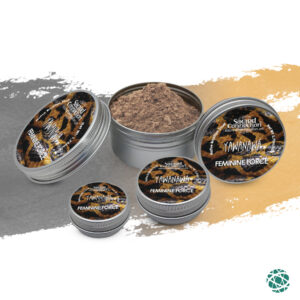
Puyanawa Rapé, tabac à priser sacré Rapé
Sélectionner les options Ce produit a plusieurs variantes. Les options peuvent être choisies sur la page du produit$14.00 - $90.00$11.90 - $76.50 - Sale 15%
Tabac à priser sacré « Rapé », Rapé de Puyanawa
Sélectionner les options Ce produit a plusieurs variantes. Les options peuvent être choisies sur la page du produit$14.00 - $90.00$11.90 - $76.50

Afficher les 2 résultats
Rapé Puyanawa: The People Behind the Medicine
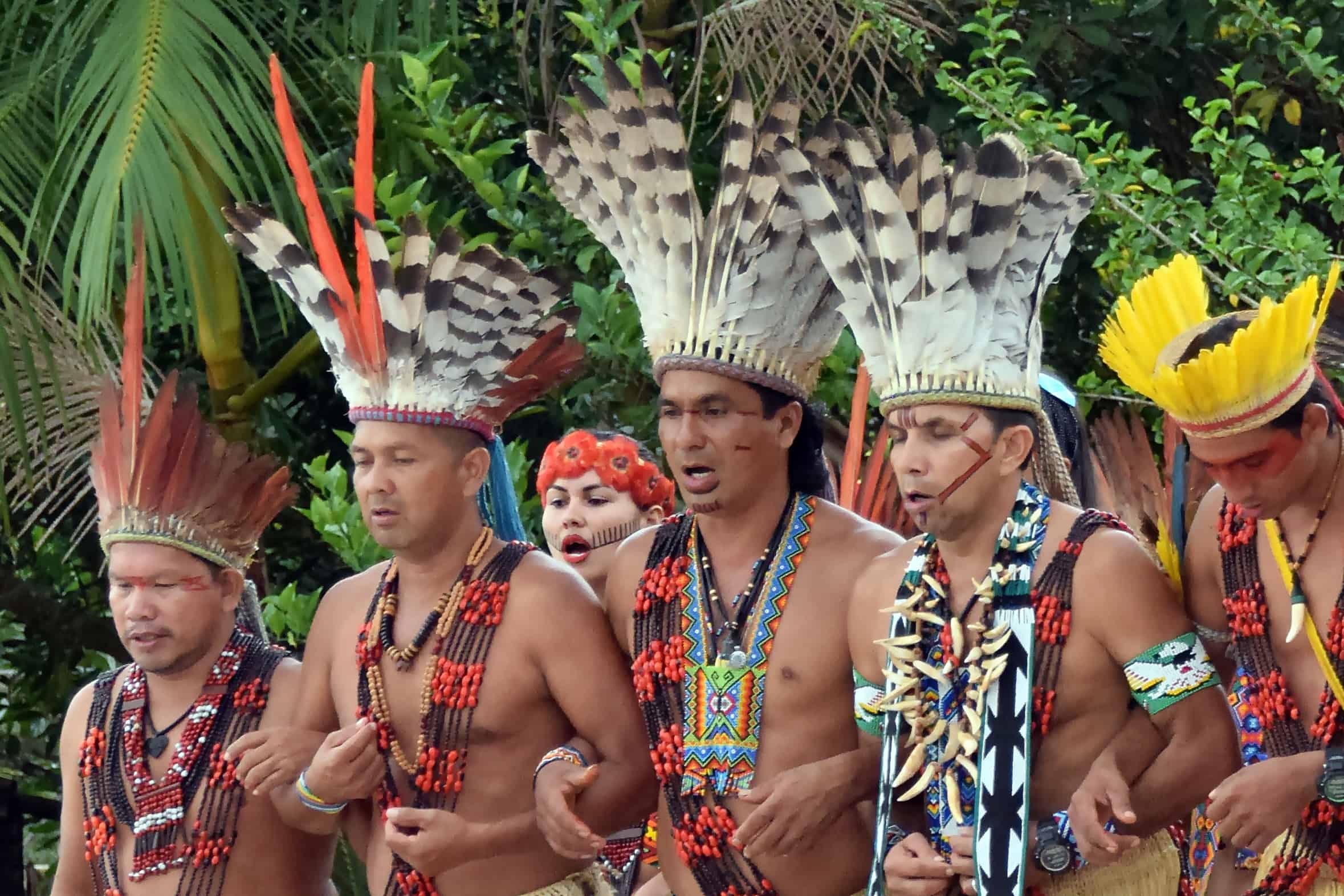
The Puyanawa tribe makes its home along the Moa River in western Acre, within the officially recognized Indigenous Land Poyanawa. Their communities center on two main villages, Barão do Rio Branco and Ipiranga, near the Peruvian border.
Like other Acre traditions, such as the Katukina, the Puyanawa have spent decades working to recover their culture after the devastation of the rubber boom era. Their revitalization efforts include the recovery of their ancestral language, Ûdikuî, and the ongoing transmission of sacred healing practices, including the preparation and ceremonial use of rapé.
The Puyanawa worldview is animistic: all of nature (trees, rivers, animals, wind, fire) is seen as alive, conscious, and filled with spirit. Their spiritual leaders, or pajés, work with plants to restore balance across physical, emotional, and ancestral dimensions.
In ceremony, rapé Puyanawa serves to ground, to clear the mind for spiritual listening, and to dispel heavy energy before or during healing work. Each blend is made by grinding mapacho tobacco (Nicotiana rustica) with sacred plant ashes, prepared with prayer and intention according to knowledge unique to this community.
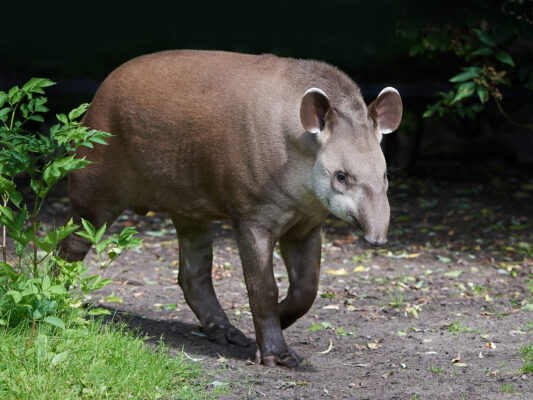
The Tapir (Anta): Power Animal of the Puyanawa
Unlike other Amazonian traditions that revere the jaguar, the Puyanawa’s spiritual totem is the Anta, or tapir. Quiet but powerful, the tapir represents endurance, groundedness, and intuitive movement through the forest. For the Puyanawa, these qualities mirror their own character as a people: moving forward by remembering, walking carefully through the forest of time and history.
Our Puyanawa Partner: Iraqui Puyanawa
We source our Puyanawa rapé in direct partnership with Iraqui Puyanawa, a cultural guardian, educator, and medicine maker from the Barão do Rio Branco village. Each batch he prepares is ceremonial from start to finish, made with intention, care, and traditional wisdom passed down from his elders.
When you work with rapé made by Iraqui, you are connecting to a living tradition. Your purchase supports language revitalization, education, and forest protection for his community directly.
Puyanawa Rapé Blends at Sacred Connection
We carry two authentic Puyanawa rapé blends, both crafted by Iraqui using plants sustainably harvested from the surrounding forest.
🌿 Puyanawa Pixuri Rapé
This aromatic blend is made with Pixuri (Licaria puchury), a sacred herb known for its uplifting scent and spiritually protective properties. Traditionally used in herbal baths for spiritual cleansing and aura clearing, Pixuri carries a clear, pleasant aroma that refreshes and settles the mind. Within the Puyanawa healing practice, it is associated with relieving headaches, emotional stress, and energetic heaviness.
Pixuri also appears in Afro-Brazilian spiritual baths, particularly in practices aligned with healing and renewal.
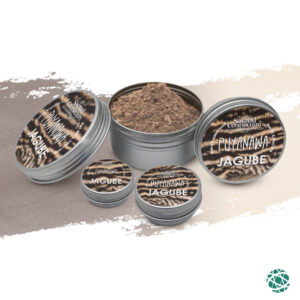
🌿 Puyanawa Jagube Rapé
This powerful blend includes ashes from the Jagube vine (Banisteriopsis caapi), known in Amazonian plant medicine traditions as the Mother Vine. Deeply grounding and introspective, it supports focus, protection, and spiritual depth. Its presence in this rapé creates a blend oriented toward stillness, rootedness, and inner awareness.
Puyanawa Rapé Effects and How to Use It
Puyanawa rapé effects reported by practitioners include deep grounding, a settling of mental noise, and heightened sensory awareness following application. These are experiential accounts rooted in traditional use, not medical claims.
Administer through a kuripe pipe for self-application or a tepi when working with a partner. Begin with a small amount and set a clear intention beforehand. Sit quietly afterward to let the medicine settle. Watering eyes, sneezing, or an emotional release may follow. All of this is part of the clearing process.
D'autres tabacs à priser sacrés à découvrir
Puyanawa rapé is one tradition among many in our collection. Each blend from across the Amazon Basin carries its own plant knowledge, ceremonial intent, and ash composition. Browse our full range of rapé varieties to compare traditions and find the preparation that fits your practice.
Questions fréquemment posées
What is the significance of the Jagube vine in Puyanawa rapé?
The Jagube vine (Banisteriopsis caapi) is known as the Mother Vine and holds deep spiritual significance in Amazonian healing traditions. Its ashes are used in Puyanawa Jagube Rapé to create a deeply grounding blend oriented toward stillness, focus, and spiritual depth.
What does Puyanawa rapé feel like?
Puyanawa rapé is often described as grounding and clarifying. Users report a strong centering effect, making it well-suited for meditation, intention-setting, and ceremonial use.
How is rapé Puyanawa made?
Rapé Puyanawa is prepared using mapacho tobacco and specific plant ashes sourced from Puyanawa territory. The blend and ratios reflect traditional knowledge unique to the Puyanawa people.
Is Puyanawa rapé suitable for beginners?
Rapé can be intense for first-time users. Start with a small amount for your first experience.
How do I use Puyanawa rapé?
Puyanawa rapé is administered using a kuripe (self-application pipe) or a tepi (partner pipe). Always approach its use with intention and in a calm, safe setting.