

What Is a Hapé Ceremony?
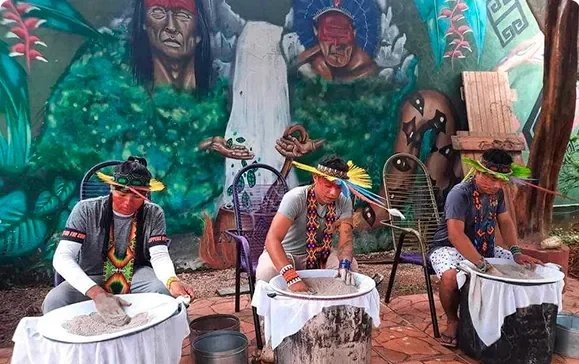
More people are turning to indigenous plant medicine traditions because they want depth, healing, and a true sense of sacred space. When we ask what a Hapé (otherwise known as Rapé) ceremony is, we are usually asking about something serious. It is ancient, intentional, and rooted in community. This tradition comes from Amazonian culture and has endured through generations of hardship. It still offers powerful healing to those who meet it with respect.
Belangrijkste punten
- A hapé ceremony is a sacred gathering centered on healing, intention, and community, rooted in Amazonian indigenous tradition.
- The purpose of a smoking ceremony includes energetic clearing, physical purging, spiritual connection, and community bonding.
- The significance of a smoking ceremony lies in cultural continuity, ancestral wisdom, and the living relationship between people, plants, and land.
- A hapé ceremony uses the tepi pipe for group rapé administration, guided by a trained facilitator.
- Authentic rapé sourced from tribal partners deepens the ceremonial experience and shows respect for the tradition behind the medicine.
What Is Hapé Ceremony? An Overview
A Hapé ceremony is a traditional Amazonian ritual in which Rapé—a finely ground snuff usually made from jungle tobacco and plant ash—is administered with prayer, intention, and often song.
This is not recreational tobacco use. In ceremony, the medicine is treated as a living ally and approached with reverence.
Its roots run deep through Amazonian tribal culture. Tribes such as the Yawanawá, Huni Kuin, Katukina, and Nukini have used rapé for generations for healing, spiritual connection, community bonding, and communion with the forest. We share more about the origins of this medicine at Sacred Connection.
What Is the Purpose of a Smoking Ceremony?
In a hapé ceremony, rapé serves several clear purposes. It supports energetic clearing, physical purging, spiritual alignment, community bonding, and respect for the plants and the ancestral knowledge that surrounds them.
Many people describe a swift shift in awareness after receiving the medicine. Scattered thoughts can settle, emotional heaviness may move, and the body can find a grounded stillness. This work is active, which means you come with intention and allow the experience to move through you.
What Is the Significance of a Smoking Ceremony?
To ask about the significance of a smoking ceremony is to ask about cultural survival. For many tribes of the western Amazon, rapé is medicine and memory. It carries ancestral knowledge across generations, sustains the connection between people and forest, and affirms identity in the face of colonial disruption.
Many Amazonian communities lost much of their plant knowledge during the rubber boom and the missionary period that followed. The return of rapé to ceremonial life has been part of a wider reclamation of cultural heritage. When you take part in a hapé ceremony with care and integrity, you are entering a tradition that has endured against great odds.
The Structure of a Hapé Ceremony
Structure varies between tribes, lineages, and facilitators, but a hapé ceremony often includes these stages:
- Opening prayers and intention‑setting. The space is prepared with song, smudging, or spoken prayer. Each participant is invited to arrive with a clear intention and to consider what they seek and what they are ready to release.
- Icaros, or medicine songs. The facilitator sings or chants throughout much of the ceremony. These songs are considered part of the medicine and help guide the energy of the space.
- Administration of rapé. Each participant receives hapé through the tepi pipe, or in some settings, self‑administers with a kuripe. The medicine is typically blown into each nostril in sequence. The effect is often immediate and can be intense.
- Silent integration. After the medicine is received, participants are usually invited into stillness, where breathing, processing, and quiet observation are emphasized.
- Closing and sharing circle. The ceremony closes with a prayer and often includes time for participants to share their experience with the group.
Roles in Ceremony: Facilitator, Tepi, and Community
In a group ceremony, each role matters. The facilitator is a trained healer, often with training in an Amazonian tradition. This person holds the energetic space, leads the icaros, and administers the medicine. This role calls for real training and a long‑term relationship with the medicine.
The tepi pipe is the main tool for group administration. It is a long blowpipe that allows the facilitator to deliver the medicine with precision and intention. Some practitioners also use a kuripe, a smaller V-shaped pipe for self-administration.
The participant’s role matters just as much. Approach it with sincerity, openness, and a clear intention. That is what turns the experience from something interesting into true ceremony. In the traditions that hold this medicine, how you show up matters far more than rarity, prestige, or spectacle.
What Is a Hapé Ceremony Like to Experience?
For anyone asking what a hapé ceremony feels like in practice, expect something that asks a great deal and gives much in return.
The sound of the icaros fills the space. The songs may feel melodic, repetitive, unfamiliar, and strangely familiar at the same time. When the medicine comes, the sensation is immediate. You may feel a rush of clarity, physical purging through the sinuses and throat, heightened awareness, and emotional release. Tears, laughter, deep stillness, or a long exhale may follow. The intensity passes. What remains is often a sense of spaciousness, a quieter mind, a steadier body, and the feeling that something has been cleared.
Sharing the experience with others, held in the same intention and song, creates a sense of connection that is hard to describe and easy to remember. If you are drawn to working with this medicine, working with rapé prepared by trusted practitioners and Amazonian communities can support a deeper, more intentional experience.
How to Prepare for a Hapé Ceremony
Preparation shows respect for the medicine and for ourselves. In the days before the ceremony, keep your diet light and clean. Avoid heavy meals, alcohol, and recreational substances. On the day of the ceremony, eat lightly or fast for a few hours beforehand. Spend time with your intention. Ask what you are bringing into the ceremony and what you are ready to release.
Come with openness rather than expectations. The medicine offers what it offers. Your role is to stay present enough to receive it. Quality matters too. Rapé prepared with care and integrity by people who understand the tradition changes the experience. Sacred Connection works directly with Amazonian tribal partners to offer authentic rapé for ceremonial use.
Veelgestelde vragen
Do I need experience to attend a hapé ceremony?
No. Most hapé ceremonies welcome newcomers who arrive with respect and openness. If you are new, let the facilitator know in advance. They can explain what to expect and help you feel prepared.
Can I do a solo hapé ceremony at home?
Yes. Many practitioners create meaningful personal ceremonies with a kuripe pipe for self-administration. The essentials remain the same. You need a quiet space, clear intention, and sincere engagement with the medicine. Solo practice can complement group ceremony.
How long does a hapé ceremony last?
Most ceremonies last between one and three hours, depending on group size, the facilitator’s style, and the length of the sharing circle.
Where can I find quality hapé for ceremony?
Sacred Connection offers tribe-sourced rapé for ceremonial use, sourced in partnership with Amazonian communities that prepare the medicine with care and traditional knowledge.