

Guardians of the Grove: Rapé Tree Ash Traditions Beyond Tsunu
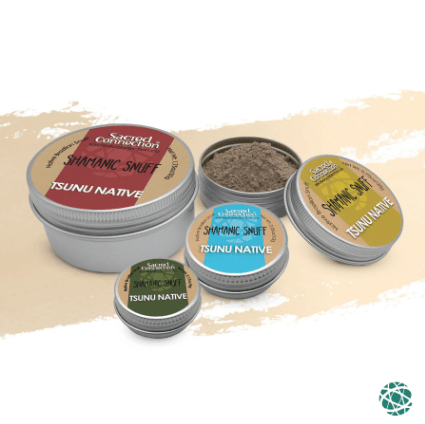
Table of Contents
- The Importance of Tree Ash in Rapé
- Tsunu Ash: The Foundation of Many Lineages
- Regional Variations: Murici and Paricá
- Rapé Tree Ash Traditions and Their Meanings
- Honoring the Trees, Honoring the Medicine
- Final Thoughts
- Key Takeaways
The Importance of Tree Ash in Rapé
- Slowly burning wood in ceremonial fires
- Selecting bark or branches believed to hold concentrated energy
- Offering prayers or songs during the burning process
Tsunu Ash: The Foundation of Many Lineages
Tsunu ash is one of the most widely used ashes in rapé traditions. Among tribes such as the Yawanawá and Katukina, it is valued for its steady, grounding nature. Tsunu, botanically known as Platycyamus regnellii, is often associated with clarity, strength, and balance.
Tsunu can help when someone is feeling mentally scattered or disconnected. It helps with focus and emotional stability without being too strong.
Tsunu is often suggested for people who are new to rapé because it can be used in a variety of ceremonial settings. It gives a solid base that works well in both personal and group settings.
Regional Variations: Murici and Paricá
While Tsunu is common, rapé tree ash traditions vary widely across the Amazon. Local ecology and cultural wisdom shape which trees are used and how they are worked with. Murici and Paricá are two examples of ashes held in high regard within specific regions.
Murici and Heart-Centered Support
Murici ash, derived from trees in the Byrsonima genus, is often associated with emotional softness and care. Many ceremonial leaders describe it as supportive and heart-centered.
Murici blends are frequently chosen for emotional healing, grief work, or moments that call for compassion and openness. The energy is gentle and steady, making it suitable for ceremonies focused on inner peace and emotional release.
Although Murici is less widely known, its role within certain traditions is deeply respected and carefully preserved.
Paricá and Energetic Protection
Paricá ash is traditionally used for protection and energetic cleansing. It is often chosen after intense emotional or spiritual work, when boundaries need to be restored.
Some practitioners describe Paricá as strengthening and assertive. Rather than inviting balance, it reinforces resilience and clarity. Because of its intensity, it is typically reserved for experienced ceremonial use.
These differences reflect more than availability. Each tree grows in specific conditions, and each lineage has learned how to work with its medicine through long-term relationship and observation.
Rapé Tree Ash Traditions and Their Meanings
Rapé tree ash traditions refer to a living body of Indigenous knowledge. It includes the trees, the ways they are prepared, and the stories, songs, and rituals that have been passed down through oral tradition. Traditions that continue to rely on this oral storytelling.
Many lineages adjust their blends based on seasonal changes, the purpose of the ceremony, and the emotional needs of the individual or group. This way of doing things shows a whole-person concept of healing. The medicine reacts to the situation, the relationship, and the intention, not to set rules.
Honoring the Trees, Honoring the Medicine
At Sacred Connection, we work directly with Indigenous communities to support ethical and sustainable sourcing of tree ash. This work is guided by respect for both the land and its stewards.
We source our ash by:
- Harvesting bark or branches that protect the tree
- Following traditional protocols for collection
- Participating in ceremonial offerings and reciprocity
True sustainability encompasses cultural integrity alongside environmental care. These practices help preserve the ecosystems and traditions that make this medicine possible.
Final Thoughts
Rapé is more than a physical blend of plants and ash. It is a relationship with the forest and the people who tend it. Whether you feel drawn to the grounding nature of Tsunu, the emotional support of Murici, or the protective strength of Paricá, you are engaging with a tradition that remains active and responsive.
By understanding rapé tree ash traditions, we move beyond ingredients and toward connection. In that space, healing supports individuals, communities, and the lands that sustain the medicine.
Key Takeaways
- Tree ash is central to rapé’s spiritual and energetic balance.
- Tsunu, Murici, and Paricá each embody unique regional wisdom.
- Respectful sourcing protects both the forest and Indigenous tradition.
- Sacred Connection honors and preserves this sacred lineage