

Indigenous Rapé Traditions: The Healing Power of Small Group Rapé Circles
Reading Time: 6 minutes
Written by: Sacred Connection
Indigenous rapé traditions aren’t just sacred. They’re also a testament to the joining power of rapé itself, an ancient plant medicine often used in communal ceremonies to support the grounding, clarity, and energetic alignment of the group.
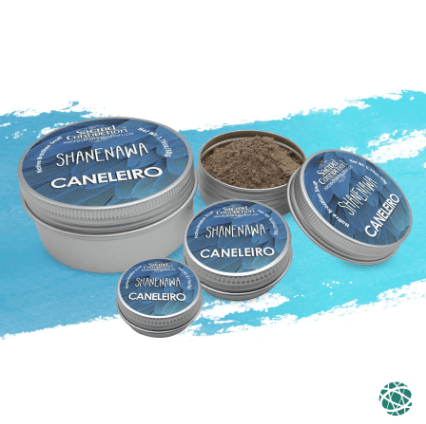
Rapé is a finely ground snuff made from carefully prepared tobacco and, in many traditions, other medicinal plants and ashes. In tribal tradition, it acts as both teacher and connector, and is used in small circle group rituals to amplify healing, community, and the collective presence. If you’re interested in using it for similar purposes, read on to learn about the lineage and proper practice of rapé circles.
Key Highlights
- Rapé circles honor tribal traditions rooted in community and respect.
- Healing with rapé in groups deepens connection and amplifies intention.
- Roles, boundaries, and aftercare are essential for safe, sacred experiences.
- Sacred Connection supports education and ethical practice in ceremonial rapé use.
Indigenous Rapé Traditions: Sharing Intention and Practice
In communities across the Amazon, rapé is used to unite participants in shared ceremony, with traditions that emphasize the role of working together toward a common intention. In addition to the ritualistic use of rapé, these ceremonies often incorporate song, prayer, and synchronized breathing to align the mind, body, and spirit of all participants.
Different tribal lineages have distinct approaches to shared rapé ceremonies. Some use ritualized pipe passing, others incorporate guided meditations, and some combine rapé with chanting or other plant medicines. In all instances, participants are invited to approach the medicine with a joint sense of humility, openness, and the ancestral knowledge that sustains the rapé ceremony.
Healing With Rapé in Groups
A rapé circle is a living practice, reflecting joint respect for the plants and people who carry the tradition forward. Healing with rapé in groups benefits from this amplified intention, and is believed to better support both individual and collective health and well-being.
There are other benefits, too. Serving rapé in groups for healing encourages participants to bear witness to one another’s process: fostering empathy, balance, shared responsibility, and a deeper connection to the medicine. Group work can also help participants release old patterns and integrate new insights due to a supportive environment that reinforces safety, trust, and energetic flow.
Roles and Responsibilities in a Rapé Circle
Each person in a rapé circle has a role that supports group safety and presence.
- Facilitator (Tobaccero/Curandero): Prepare the medicine with prayer and intention, serve (blow) the rapé with a tepi, set the energetic container for the circle, and observe participants during service for signs of physical or emotional stress.
- Space Holder: Ensures the environment is physically and energetically safe, preparing seating, ceremonial objects, and any tools needed for grounding.
- Participants: Engages with presence, consent, and attentiveness. Silence, listening, and respectful receptivity are encouraged.
In true group fashion, facilitators and space holders assess readiness, consent, and grounding, while participants play an equally important role by supporting the circle with their presence. These unique roles allow the medicine to flow while protecting the integrity of the ceremony and ensuring every individual feels supported in their healing practice.
Boundaries and Respectful Service
Setting clear boundaries is crucial when serving rapé in groups. Facilitators must know their limits, read the energy of the group, and ensure safety if true healing is going to happen. And boundaries must extend beyond the physical. Respecting personal space, emotional vulnerability, and energetic openness are all key components of respectful rapé circles, and facilitators must avoid overextending, always recognizing when to pause or adjust the ceremony.
Ethical service also involves continuous learning, humility, and acknowledgment of the indigenous sources of the medicine. Proper use of ceremonial tools is essential, along with alignment with cultural protocols and attention to each individual’s unique experience.
Aftercare in Rapé Ceremonies
Aftercare is an essential part of the rapé circle ritual, designed to support integration and ongoing personal and community well-being. Participants are encouraged to:
- Rest and allow the body to recalibrate
- Hydrate to support physical detoxification
- Reflect or journal on insights, noting emotional, mental, or spiritual shifts
- Practice grounding exercises, such as gentle movement or time in nature
- Express gratitude to the medicine, the circle, and its spirit source
Thoughtful aftercare helps rapé circle participants integrate their experiences and carry the medicine’s teachings into daily life. Offering support to one another, sharing reflections, and taking time for quiet contemplation reinforce the healing effects of the ceremony and should be treated with the same respect for intention as the service itself.
Closing Reflections
Rapé circles are a sacred practice that requires humility, presence, and a deep understanding of indigenous rapé traditions. By respecting roles, boundaries, and aftercare practices, participants and facilitators can cultivate safe, meaningful experiences that honor both the medicine and the indigenous peoples who cultivate it.
Mindful participation, continued learning, and acknowledgment of ancestral lineage ensure that rapé circles remain a source of healing, connection, and cultural reverence. To begin your own practice, browse our sacred snuff collection and explore our website for more information on safe, respectful rapé use.